The Role of an Attorney in Establishing and Managing a Conservatorship
When a loved one faces the challenging reality of diminished capacity, requiring assistance with personal care or financial management, establishing a conservatorship may become a necessary legal step. Throughout this intricate process, the guidance and expertise of an attorney conservatorship are invaluable. From the initial filing to the ongoing management of the conservatorship, legal counsel plays a pivotal role in ensuring compliance with the law, protecting the rights of all parties involved, and facilitating the best possible outcome for the individual in need. This article delves into the multifaceted responsibilities of an attorney in both establishing and managing a conservatorship.
Understanding the Legal Framework of Conservatorship
A conservatorship is a court-ordered legal proceeding where a judge appoints a responsible adult (the conservator) to care for another adult (the conservatee) deemed incapable of managing their personal needs or financial affairs. This framework grants the conservator the legal authority to make decisions on the conservatee’s behalf, safeguarding their well-being and assets.
The Attorney’s Crucial Role in Establishing a Conservatorship
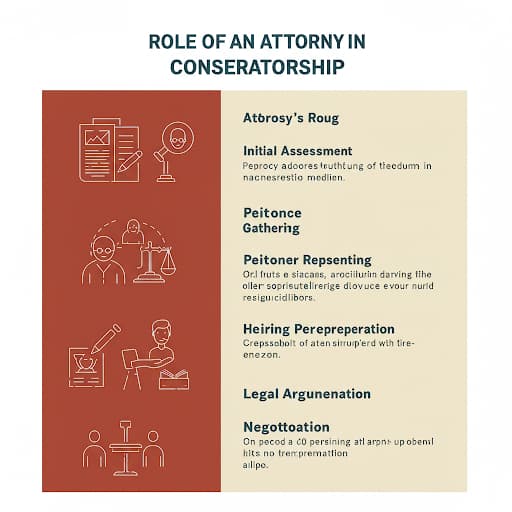
Establishing a conservatorship involves several key legal stages where an attorney’s expertise is paramount. This includes the initial assessment and consultation to understand the situation and explain the legal process. The attorney then prepares and files the necessary legal petition with the court, outlining the reasons for the conservatorship and proposing a suitable conservator. Gathering supporting evidence, such as medical and psychological evaluations, is another critical step where the attorney assists. They represent the petitioner throughout the proceedings, ensuring their rights are understood and protected.
Furthermore, the attorney ensures that the proposed conservatee’s due process rights are upheld, including legal representation and the opportunity to contest the conservatorship. They facilitate necessary medical and psychological evaluations and prepare their client for court hearings, presenting evidence and legal arguments. Negotiating with other involved parties and ultimately securing the court order that defines the conservator’s powers and responsibilities are also key functions of the attorney during this phase.
Ongoing Legal Support in Managing a Conservatorship
Once a conservatorship is in place, the attorney’s role often continues to be vital for its proper management. This includes advising the conservator on their legal duties and fiduciary responsibilities to the conservatee and the court. Attorneys ensure compliance with court orders and reporting requirements, assisting in the accurate and timely filing of necessary reports. They handle any legal issues that may arise during the conservatorship, such as property sales or medical treatment requests, representing the conservator in related court proceedings. They also address any concerns or complaints about the conservator’s actions and can petition the court for modifications to the conservatorship if circumstances change. Acting as a communication liaison between the conservator, the court, and other parties is another essential function. Finally, the attorney provides guidance and legal assistance in planning for the termination of the conservatorship when the conservatee regains capacity or passes away, ensuring the proper legal procedures are followed for asset distribution.
Protecting the Rights of All Involved Parties
While the conservator relies heavily on legal counsel, it is equally important for the conservatee to have their independent legal representation, especially if they object to the conservatorship or have concerns about the appointed conservator. An attorney for the conservatee advocates for their wishes and ensures their rights are protected throughout the process. Other family members who have concerns or wish to participate may also benefit from seeking independent legal advice to understand their rights and options.
Distinguishing Conservatorship Attorneys from Trust Litigation Lawyers
The role of an attorney in conservatorship matters differs from that of trust litigation lawyers. While both areas involve fiduciary duties and asset management, conservatorship focuses on the legal process of establishing and overseeing a guardianship for an incapacitated individual. Trust litigation lawyers, on the other hand, specialize in resolving disputes related to the creation, administration, or interpretation of trusts. Although these fields are distinct, situations can arise where they intersect, and an attorney with knowledge in both areas can provide comprehensive legal support.
Conclusion
Establishing and managing a conservatorship is a complex legal endeavor demanding a thorough understanding of state laws and court procedures. The role of an attorney conservatorship is indispensable in navigating this process effectively, safeguarding the rights of all involved parties, and ensuring the well-being of the individual requiring assistance. From the initial stages of establishing the conservatorship to its ongoing management and eventual termination, legal counsel provides crucial guidance, advocacy, and support. Whether you are seeking to establish a conservatorship for a loved one or are currently serving as a conservator, engaging an experienced attorney is a vital step in fulfilling your legal obligations and ensuring the best possible outcome for the conservatee.