The Role of a Will Lawyer in Protecting Your Inheritance Rights
Inheritance rights represent a cornerstone of estate planning, ensuring that assets are distributed according to a deceased individual’s wishes or the laws of intestacy. However, the process of inheriting can be fraught with legal complexities, potential disputes, and unforeseen challenges, sometimes even requiring the need to contest a will California. This is where the expertise of a will lawyer becomes invaluable, acting as a shield to protect your rightful inheritance and navigate the often-turbulent waters of estate administration. Understanding how a will lawyer functions as your advocate is essential for anyone anticipating an inheritance or facing issues related to estate distribution.
Understanding the Foundation: Wills and Inheritance
A will serves as a legally binding document outlining how an individual’s assets should be distributed upon their death. It names beneficiaries, designates an executor to manage the estate, and can even address guardianship for minor children. Inheritance, on the other hand, is the legal process by which these assets are transferred to the designated beneficiaries. While seemingly straightforward, this process can become complicated by various factors, necessitating legal intervention.
The Multifaceted Role of a Will Lawyer
A will lawyer plays a crucial role at various stages, not just in drafting the will itself but also in ensuring the smooth and legal transfer of inheritance. Their responsibilities extend to:
- Interpreting Will Provisions: Wills can sometimes contain ambiguous language or complex clauses. A will lawyer possesses the expertise to interpret these provisions accurately, ensuring that your inheritance rights are correctly understood and applied.
- Navigating Probate Procedures: Probate is the legal process of validating a will and administering the estate. It involves numerous legal filings, court appearances, and adherence to strict timelines. A will lawyer guides beneficiaries through this process, ensuring compliance and protecting their interests.
- Identifying Potential Legal Challenges: Even with a seemingly valid will, challenges can arise. A will lawyer can identify potential grounds for a will contest, such as allegations of undue influence, lack of testamentary capacity, or improper execution, and advise beneficiaries on how to address these issues.
- Representing Beneficiaries in Disputes: When disputes arise among beneficiaries or between beneficiaries and the executor, a will lawyer acts as a strong advocate, representing their client’s interests in negotiations, mediation, or litigation.
- Ensuring Proper Asset Valuation and Distribution: Disputes can occur regarding the valuation of estate assets and their subsequent distribution. A will lawyer ensures that these processes are conducted fairly and per the law and the terms of the will.
- Advising on Tax Implications: Inheritance can have significant tax implications. A will lawyer can advise beneficiaries on these implications and help them navigate strategies to minimize tax burdens.
- Addressing Issues of Intestacy: When a person dies without a valid will (intestate), the distribution of their assets is governed by state law. A will lawyer can help potential heirs understand their rights under intestacy laws and navigate the process of estate administration.
- Facilitating Communication: Estate administration often involves communication with various parties, including the executor, other beneficiaries, and the court. A will lawyer can facilitate clear and effective communication, reducing the potential for misunderstandings and conflict.
Protecting Your Inheritance Rights: When Legal Intervention Becomes Necessary
Several situations may necessitate the involvement of a will lawyer to protect your inheritance rights:
- When the Validity of the Will is Questioned: If you have reason to believe that the will is invalid due to fraud, undue influence, or lack of capacity, a lawyer specializing in estate litigation can help you contest a will in California.
- When the Executor is Not Fulfilling Their Duties: If the executor is acting negligently, mishandling estate assets, or unduly delaying the distribution process, a will lawyer can take legal action to ensure proper administration.
- When You Believe You Have Been Unfairly Excluded from a Will: If you are a close relative who has been unexpectedly excluded from a will, a lawyer can help you explore your legal options.
- When There are Disputes Among Beneficiaries: Disagreements over the interpretation of the will or the distribution of assets can escalate. A will lawyer can represent your interests in resolving these disputes.
- When Dealing with Complex Assets or Business Interests: Estates involving complex assets, such as real estate holdings, business interests, or significant investments, often require the expertise of a will lawyer to ensure proper valuation and transfer.
- When Navigating the Laws of Multiple Jurisdictions: If the deceased owned property in multiple states or countries, the inheritance process can become significantly more complex, requiring legal expertise in different jurisdictions.
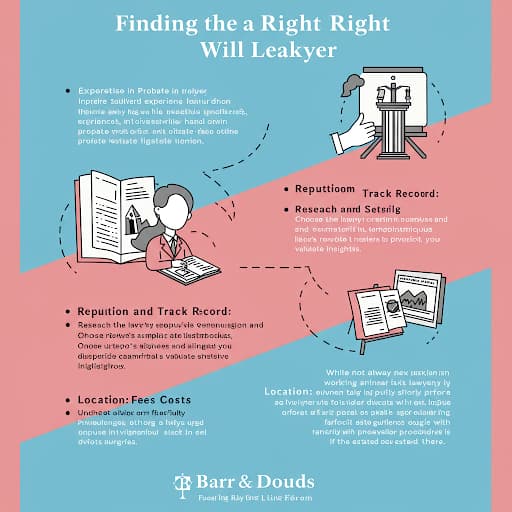
Finding the Right Will Lawyer
Selecting the right will lawyer is crucial for protecting your inheritance rights effectively. Consider the following factors when making your choice:
- Expertise in Probate and Estate Litigation: Ensure the lawyer has specific experience in handling will contests, probate disputes, and other estate-related litigation.
- Reputation and Track Record: Research the lawyer’s reputation and success rate in similar cases. Online reviews and testimonials can provide valuable insights.
- Communication and Accessibility: Choose a lawyer who communicates clearly, is responsive to your inquiries, and makes you feel comfortable discussing sensitive matters.
- Fees and Costs: Understand the lawyer’s fee structure and ensure it aligns with your budget. Discuss potential costs upfront to avoid surprises.
- Location: While not always a primary factor, working with Danville attorneys or lawyers in your local area can offer convenience and familiarity with local court procedures if the estate is located there.
Conclusion
The role of a will lawyer extends far beyond the drafting of testamentary documents. They serve as crucial advocates for beneficiaries, ensuring that inheritance rights are protected, legal processes are navigated smoothly, and disputes are resolved effectively. Whether you are facing a challenge to a will, dealing with a negligent executor, or simply seeking clarity on your inheritance, engaging the expertise of a knowledgeable attorney is paramount. Their guidance provides invaluable support in securing your rightful inheritance and navigating the often-complex legal landscape of estate administration, offering peace of mind during a challenging time.