California Trust Litigation: An Overview of Common Issues
The establishment of a trust is often intended to ensure the seamless transfer and management of assets for beneficiaries. However, when disagreements arise concerning the administration, interpretation, or validity of these fiduciary arrangements, California trust litigation becomes a necessary avenue for resolution. Understanding the common issues that precipitate these legal battles is crucial for trustees, beneficiaries, and anyone involved in trust administration in the state. This article provides a comprehensive overview of the typical grounds for trust litigation in California, shedding light on the complexities and the importance of seeking expert legal counsel when such disputes emerge.
The Foundation: Understanding Trusts in California
A trust is a legal entity created by a grantor who transfers assets to a trustee. The trustee holds and manages these assets for the benefit of designated beneficiaries, according to the terms outlined in the trust document. California law governs the creation, administration, and potential litigation of trusts within the state.
Common Grounds for California Trust Litigation
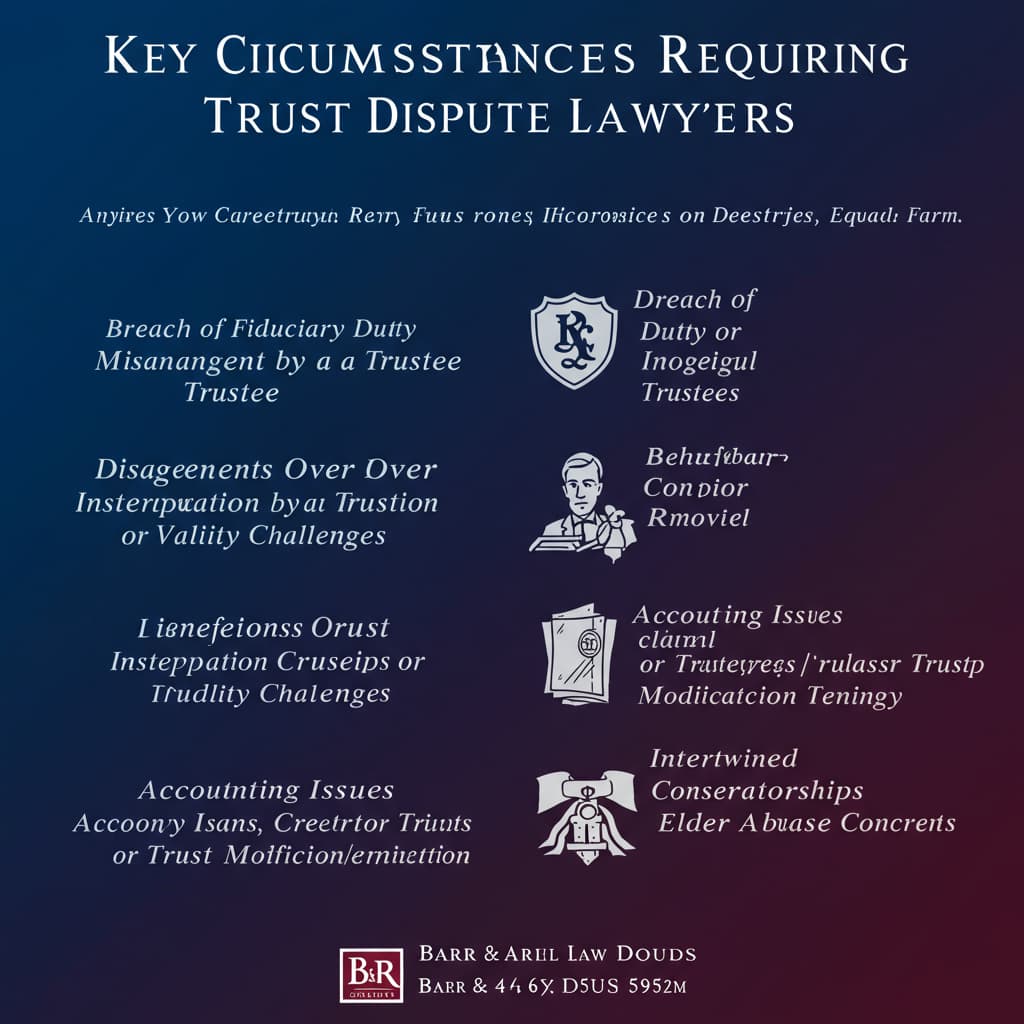
- Breach of Fiduciary Duty by Trustees: Trustees have a legal obligation to act in the best interests of the beneficiaries, adhering to a high standard of care, loyalty, and impartiality. Allegations of self-dealing, mismanagement of trust assets, failure to account properly, or conflicts of interest often form the basis of breach of fiduciary duty claims.
- Trustee Mismanagement and Negligence: Even without malicious intent, a trustee’s negligence or incompetence in managing trust assets can result in financial harm to the beneficiaries. Lawsuits may arise seeking to hold trustees accountable for such mismanagement.
- Disputes Over Trust Interpretation: The language within a trust document can sometimes be ambiguous or unclear, leading to disagreements among beneficiaries and trustees regarding the meaning of specific provisions, particularly those concerning asset distribution or trustee powers.
- Challenges to Trust Validity: The legal validity of a trust can be contested on various grounds, including allegations of undue influence exerted on the grantor during the trust’s creation, the grantor’s lack of testamentary capacity (mental competence) at the time of signing, fraud or misrepresentation involved in the trust’s creation, or improper execution of the trust document.
- Beneficiary Disputes: Conflicts among beneficiaries regarding their respective shares of the trust assets, the timing of distributions, or the trustee’s discretionary decisions are common sources of litigation.
- Trustee Removal Actions: When beneficiaries believe a trustee is unfit to serve due to misconduct, incapacity, or a conflict of interest that jeopardizes the trust’s administration, they may petition the court for the trustee’s removal.
- Accounting Disputes: Beneficiaries have a right to receive regular and accurate accounting of the trust’s financial activities. Disputes often arise when trustees fail to provide adequate accounting or when beneficiaries question the accuracy or completeness of the provided information.
The Role of a Trust Litigation Attorney in California
When facing any of these common issues, the guidance of a skilled trust litigation attorney in California is invaluable. These legal professionals possess the specialized knowledge and experience necessary to:
- Assess the Merits of a Potential Claim: They can evaluate the facts and applicable law to determine the strength of a case, whether you are a potential plaintiff or defendant.
- Navigate Complex Legal Procedures: Trust litigation involves intricate rules of civil procedure and probate court rules that a seasoned attorney will understand and follow.
- Gather and Present Evidence: Attorneys are skilled in gathering relevant documents, taking depositions, and presenting compelling evidence in court.
- Negotiate Settlements: They can represent your interests in settlement negotiations or mediation to resolve outside of a lengthy and costly trial.
- Represent Clients in Court: If a settlement cannot be reached, they will vigorously represent your interests in court proceedings.
- Protect Your Rights and Interests: Whether you are a trustee, beneficiary, or other interested party, a trust litigation attorney will work to safeguard your legal rights.
Preventing Trust Litigation Through Clear Estate Planning
While trust litigation can be unavoidable in some situations, proactive and clear estate planning can significantly reduce the likelihood of future disputes. This includes:
- Drafting Unambiguous Trust Documents: Working with an experienced estate planning attorney to create clear and precise trust language can minimize interpretive disagreements.
- Open Communication: Encouraging open communication between the grantor, trustee, and beneficiaries can help address potential concerns early on.
- Regular Trust Reviews: Periodically reviewing and updating trust documents to reflect changes in circumstances or laws can prevent future issues.
- Careful Trustee Selection: Choosing a trustee who is competent, trustworthy, and willing to act impartially is crucial.
Conclusion
California trust litigation arises from a variety of complex issues, often stemming from the intricacies of trust administration, interpretation, or allegations of fiduciary misconduct. Understanding these common grounds for dispute is essential for anyone involved with trusts in the state. When such conflicts emerge, seeking the counsel of a knowledgeable trust litigation attorney California is paramount to navigate the legal complexities, protect your rights, and strive for a just resolution. While proactive estate planning can help mitigate the risk of litigation, when disputes do occur, experienced legal representation is your strongest ally in achieving a favorable outcome.